Pergola Sealing in Seattle, WA
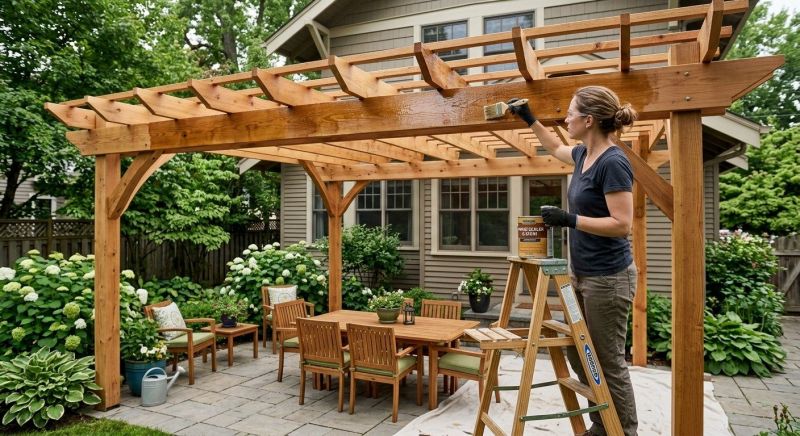
Pergola sealing services involve applying protective coatings to enhance the durability and appearance of outdoor pergolas. This process helps prevent damage from moisture, UV rays, and other environmental factors, extending the lifespan of wood, vinyl, or composite structures. Projects typically include sealing existing pergolas or preparing new installations to resist weathering, ensuring that homeowners can enjoy their outdoor spaces with added confidence in the structure’s resilience.
Homeowners interested in pergola sealing often want to understand the types of sealants used, the benefits of regular maintenance, and how sealing can protect their investment over time. It’s common to inquire about the best timing for sealing, especially in regions with significant seasonal changes, as well as any necessary preparation steps before the application. Proper sealing can preserve the appearance and structural integrity of a pergola, making it a valuable consideration for outdoor property enhancements.
Many property owners in Seattle, WA look into Pergola Sealing for repairs, replacements, upgrades, and appearance-related improvements.
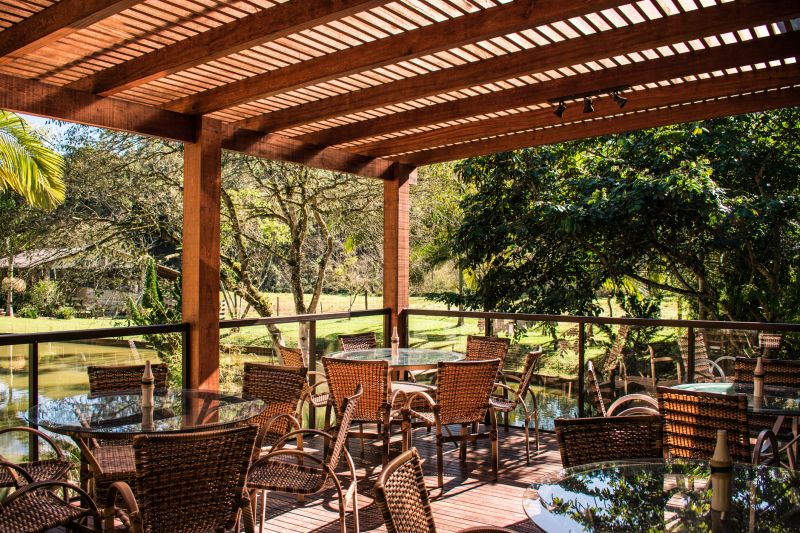
Protecting Pergola Structures
Sealing helps prevent water damage and extends the lifespan of pergolas in seattle's rainy climate.
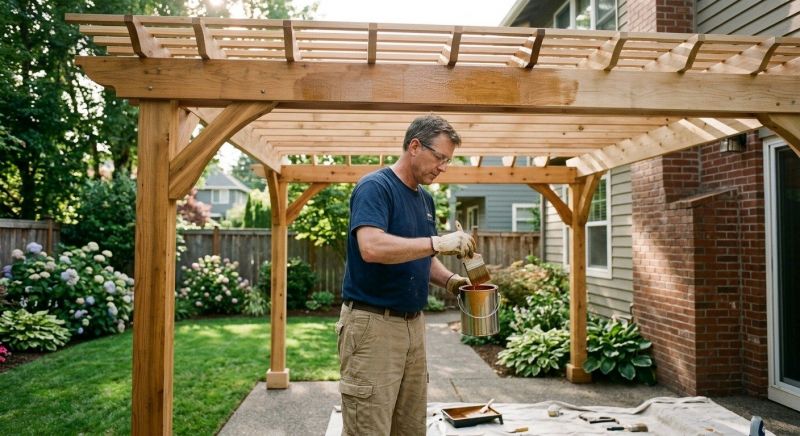
Maintaining Appearance And Durability
Proper sealing preserves the natural look of wood and keeps pergolas looking their best over time.
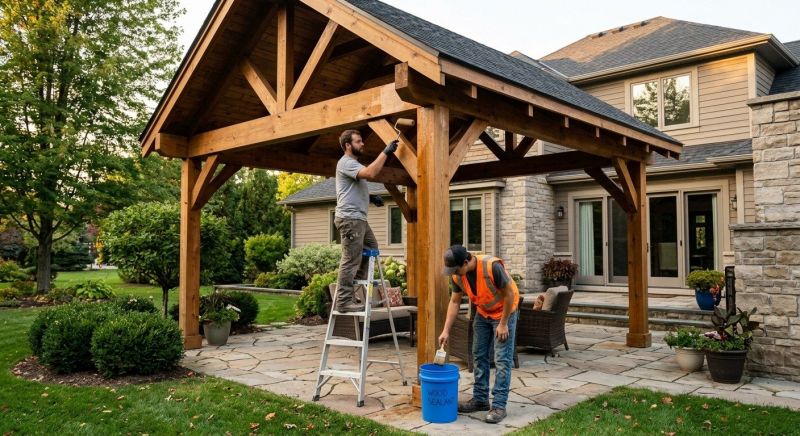
Preventing Common Weather Damage
Sealing shields pergolas from moisture, mold, and rot caused by seattle's frequent rain and humidity.
Pergola Sealing in Seattle, WA

Pergola sealing services involve applying protective coatings to enhance the durability and appearance of outdoor pergolas. This process helps prevent damage from moisture, UV rays, and other environmental factors, extending the lifespan of wood, vinyl, or composite structures. Projects typically include sealing existing pergolas or preparing new installations to resist weathering, ensuring that homeowners can enjoy their outdoor spaces with added confidence in the structure’s resilience.
Homeowners interested in pergola sealing often want to understand the types of sealants used, the benefits of regular maintenance, and how sealing can protect their investment over time. It’s common to inquire about the best timing for sealing, especially in regions with significant seasonal changes, as well as any necessary preparation steps before the application. Proper sealing can preserve the appearance and structural integrity of a pergola, making it a valuable consideration for outdoor property enhancements.
Many property owners in Seattle, WA look into Pergola Sealing for repairs, replacements, upgrades, and appearance-related improvements.
Common Pergola Sealing Jobs
Pergola Sealing Services - Protects wood and structural components from water damage and decay.
Waterproofing Solutions - Sealing prevents leaks and keeps the pergola dry during heavy rain.
Surface Restoration - Sealing enhances appearance and extends the lifespan of existing pergolas.
Weatherproofing - Sealing helps withstand the effects of seasonal weather changes.
Maintenance Sealing - Regular sealing preserves wood integrity and reduces future repair needs.
Custom Sealant Application - Tailored sealing options match the specific materials and design of each pergola.
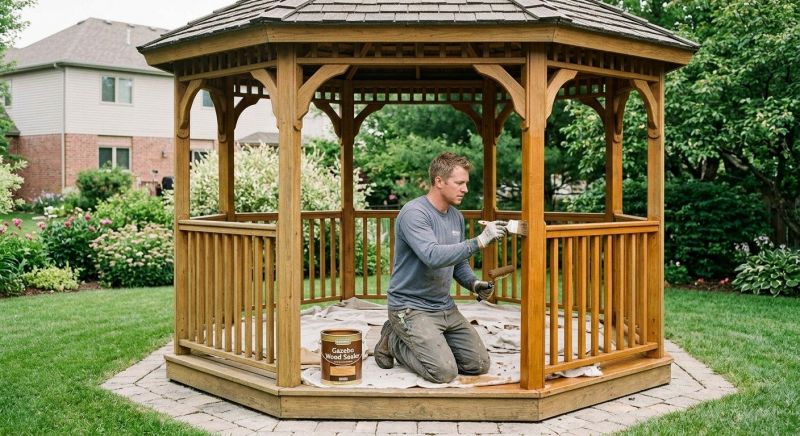
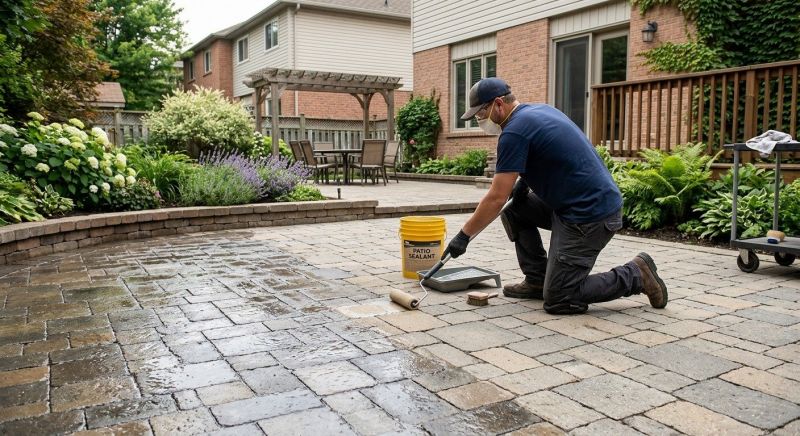
Pergola Sealing Questions
What is pergola sealing? Pergola sealing involves applying a protective coating to prevent water damage, UV fading, and weathering of the wood or other materials.
Why should a pergola be sealed? Sealing helps extend the lifespan of a pergola by protecting it from moisture, mold, and sun-related deterioration.
How often should a pergola be sealed? It is recommended to reseal a pergola every 1 to 3 years, depending on exposure and material type.
What materials are suitable for pergola sealing? Common materials include wood, vinyl, and composite, each requiring specific sealing products for optimal protection.
Request Pergola Sealing in Seattle, WA
Use the quote form on this page to share the basics of your project and request more information for the type of work you need.